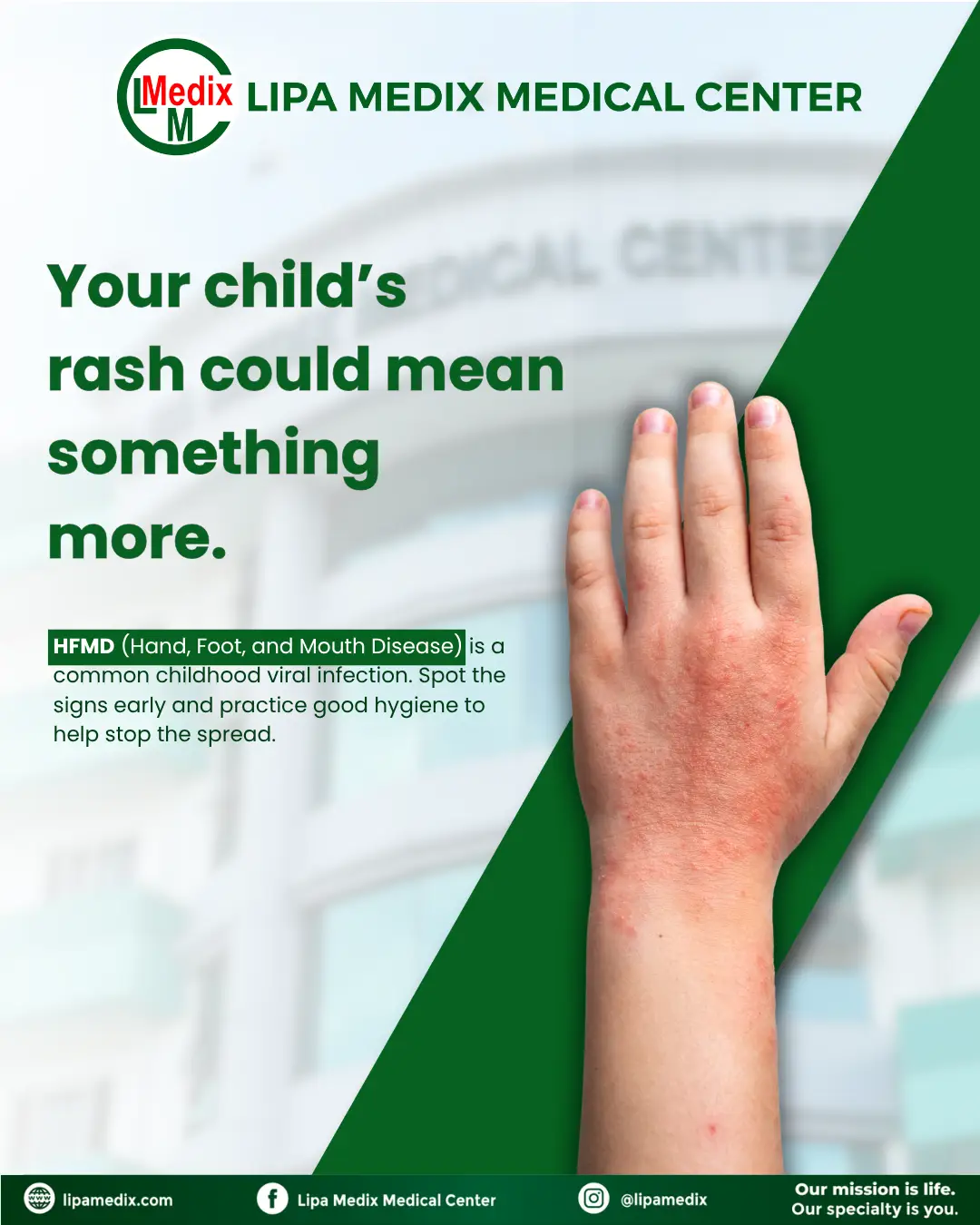
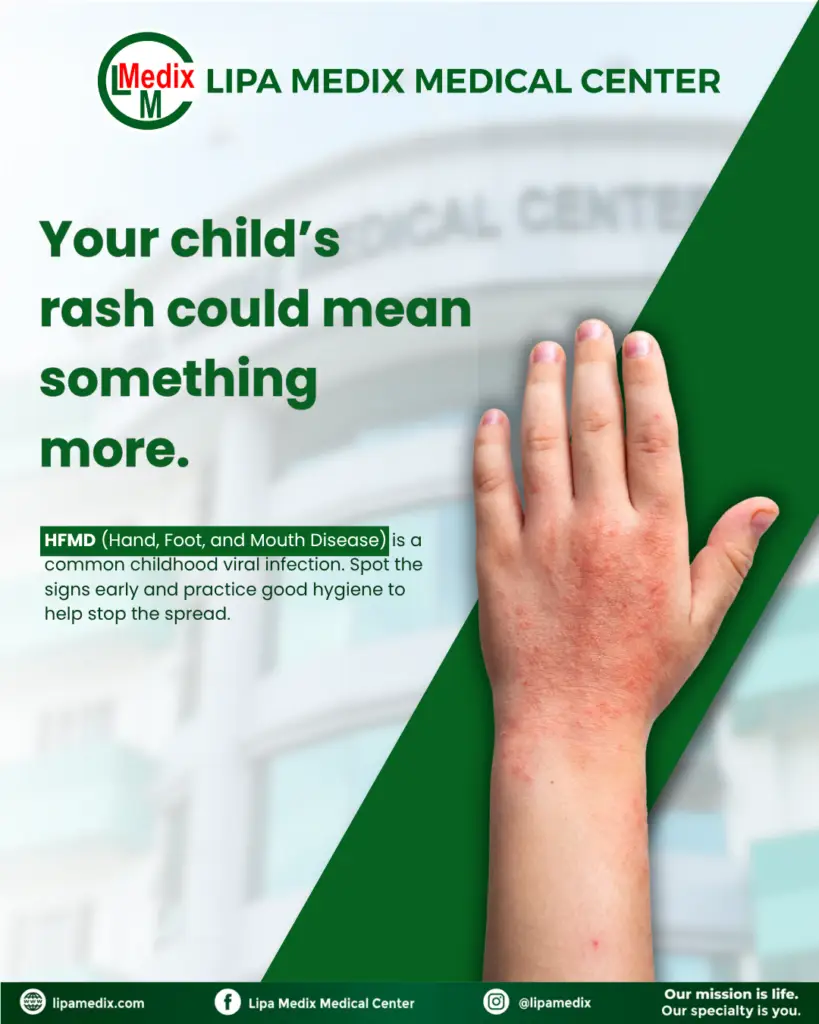
What is Hand, Foot, and Mouth Disease (HFMD)?
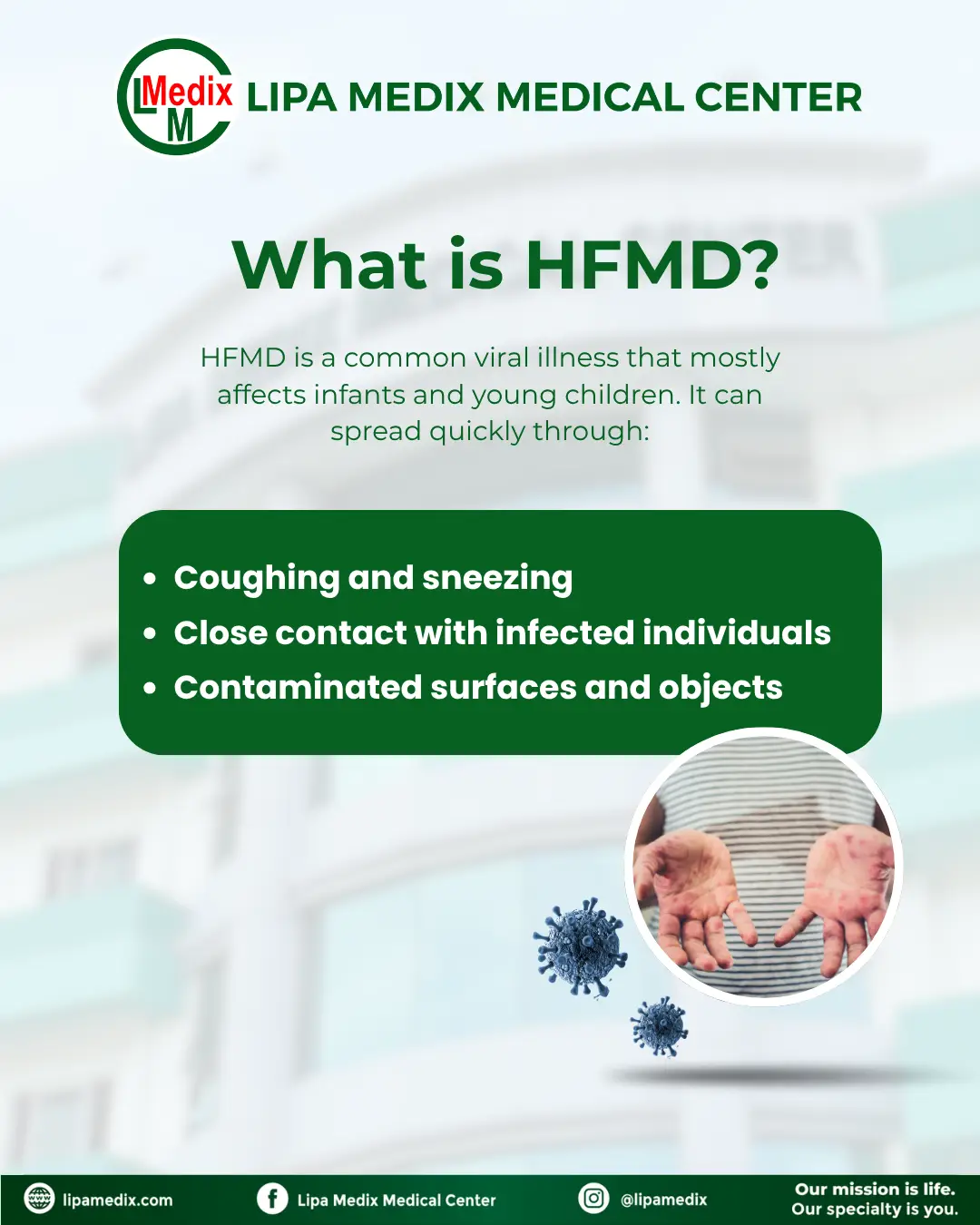
Hand, Foot, and Mouth Disease (HFMD) is a common viral infection that primarily affects infants and young children, although older children and adults can also become infected. It spreads easily, especially in homes, schools, and daycare centers.
HFMD can be transmitted through:
- Coughing and sneezing
- Close contact with an infected person
- Contact with contaminated surfaces, toys, or shared objects
Common Symptoms of HFMD
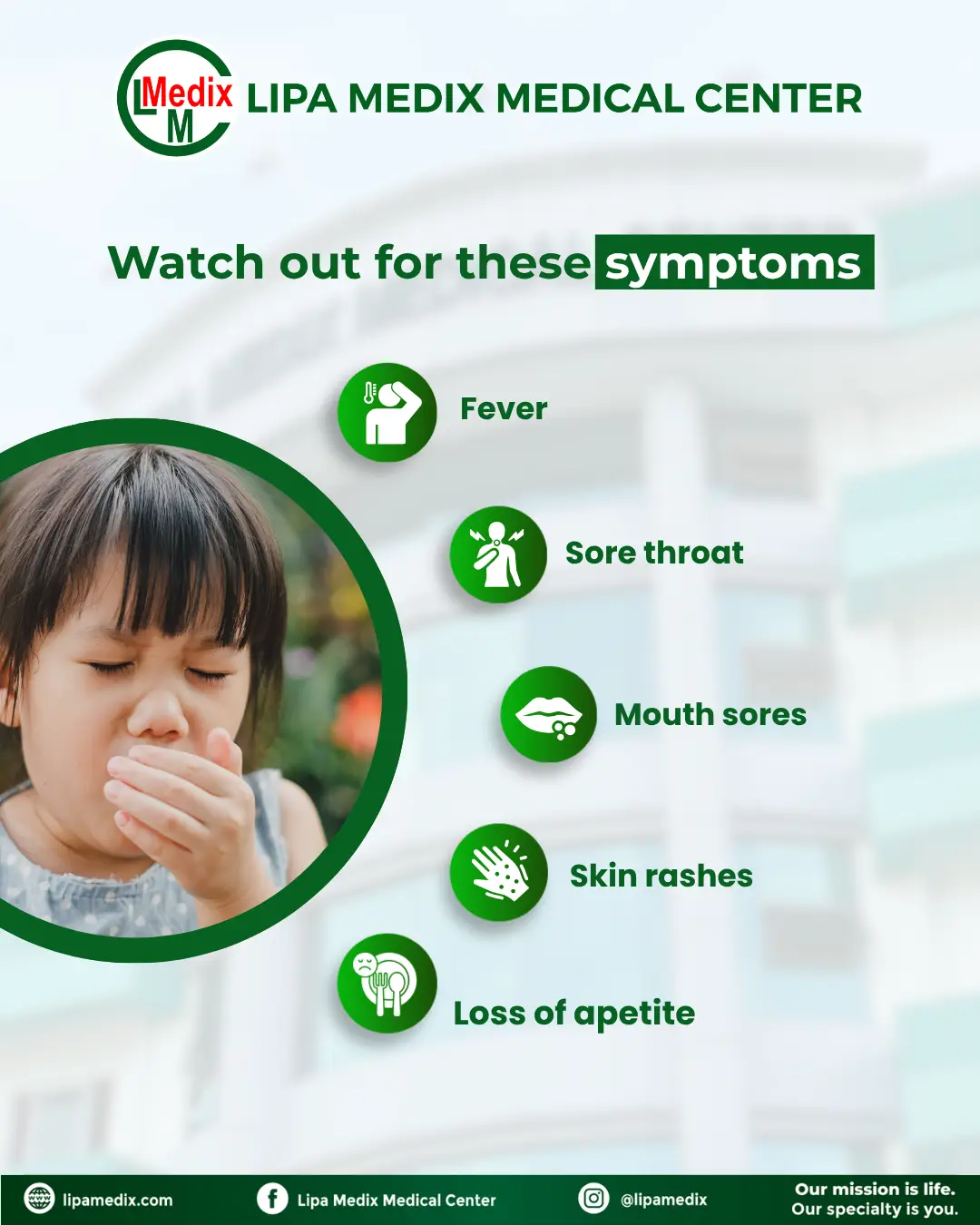
Watch for these common signs and symptoms of HFMD:
- Fever
- Sore throat
- Painful mouth sores or ulcers
- Skin rashes on the hands, feet, or other parts of the body
- Loss of appetite
How to Protect Your Child from HFMD
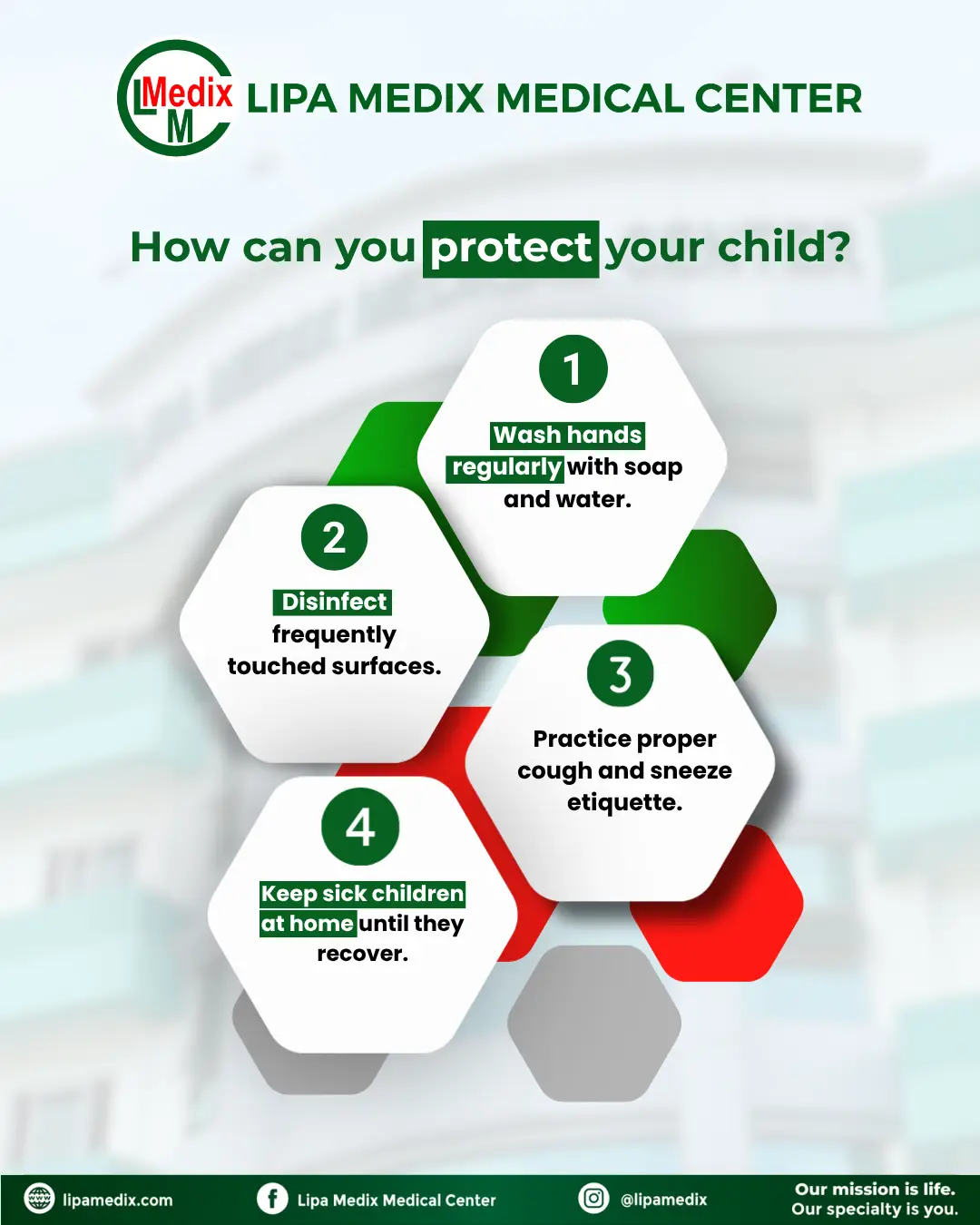
You can help reduce the risk of HFMD by following these preventive measures:
- Wash hands regularly with soap and water.
- Clean and disinfect frequently touched surfaces and shared objects.
- Practice proper cough and sneeze etiquette.
- Keep children with HFMD at home until they have fully recovered to help prevent the spread of the virus.
When Should You See a Doctor?
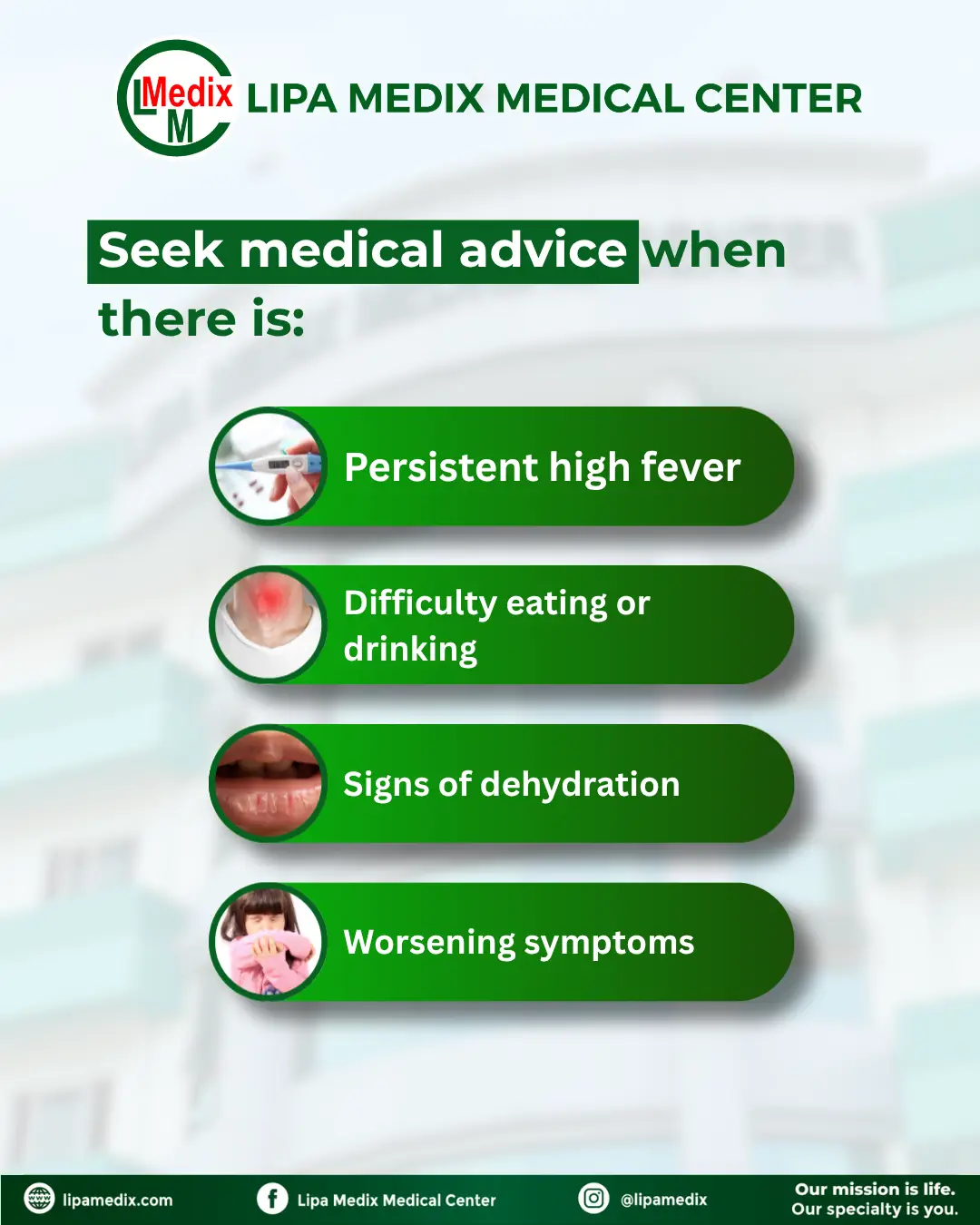
Seek medical attention if your child experiences any of the following:
- Persistent high fever
- Difficulty eating or drinking
- Signs of dehydration, such as dry mouth, reduced urination, or unusual sleepiness
- Symptoms that worsen or do not improve after a few days
Don’t Ignore the Signs
HFMD is often mild, but early recognition and proper care can help prevent complications and reduce the spread of infection. If your child develops symptoms, consult a healthcare professional for proper evaluation and guidance.
Think it’s normal? Think again. Early action can make all the difference.